Charles D. Carter
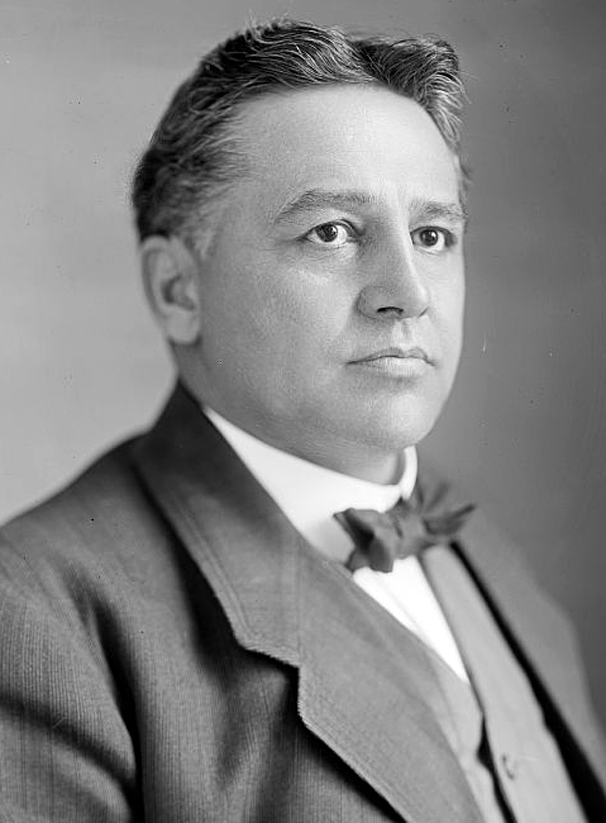
Charles D. Carter
U.S.A.

Social Media

Personal Background
Charles D. Carter began his career in early public service roles within the Chickasaw Nation, including serving as auditor of public accounts and superintendent of schools. He then transitioned to broader regional governance as a mining trustee for Indian Territory, appointed by President William McKinley. Carter's extensive experience in public service culminated in his election to Congress, where he chaired the Committee on Indian Affairs. After his congressional tenure, he continued to contribute to public service by serving on the State Highway Commission.
Political Ideas
Charles D. Carter's political career reveals an intriguing blend of traditional tribal governance and progressive federal advocacy, particularly in Indian affairs. His tenure as mining trustee and superintendent of schools within the Chickasaw Nation, coupled with his leadership in the Committee on Indian Affairs in Congress, showcases a unique commitment to balancing economic development with cultural preservation. Carter's approach often juxtaposes regional interests with broader federal policies, suggesting a strategic ideological agility. His legislative record indicates an unexpected convergence with opposing factions on environmental regulations, hinting at a highly calculated approach to protecting regional industrial interests.