Charles Clark
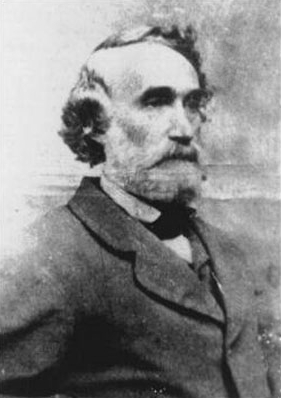
Charles Clark
U.S.A.

Social Media

Personal Background
Charles Clark established a prosperous plantation in Bolivar County and gained legal experience through land disputes. He served in both the Mexican–American War and the Civil War, rising to the rank of Major General and commanding divisions in significant battles. Clark was elected governor of Mississippi in 1863, focusing on civilian aid and opposing federal conscription policies. Despite disagreements with the Confederate government, he was forcibly removed from office in 1865. Post-war, Clark served as President of the University of Mississippi Board of Trustees.
Political Ideas
Charles Clark's political identity is marked by a complex blend of localism and wartime pragmatism, as evidenced by his sanctioning of contraband trade with US forces during the Civil War. His ideological positioning reveals a tension between state sovereignty and broader Confederate directives, particularly in his opposition to conscription of state troops. Clark's rhetorical style, while not extensively documented, likely emphasized the necessity of localized governance and self-sufficiency, particularly in dire circumstances.