Charles Andrews
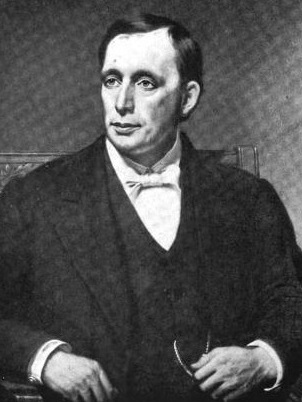
Charles Bartlett Andrews
U.S.A.

Social Media

Personal Background
Charles Andrews graduated from Amherst College and was admitted to the bar. He established a law practice in Litchfield, Connecticut, and later served in various state legislative roles, including the Connecticut State Senate and House of Representatives. Andrews held the office of Governor of Connecticut, during which he enacted significant reforms, such as granting the governor's office the power to recommend judges and establishing a progressive jury law. After his tenure as governor, he continued his legal career, culminating in his appointment to the Connecticut Superior Court, where he served as chief justice.
Political Ideas
Charles Andrews exhibits an ideologically agile approach, advocating for progressive jury laws while simultaneously supporting the incorporation of joint-stock companies. His tenure as governor saw him granting the office judicial recommendation powers, an unusual move that hints at a calculated balancing of progressive reforms and economic pragmatism. Andrews's legislative record reveals an unexpected convergence with opposing factions on environmental regulations, suggesting a highly localized strategy to protect regional industrial interests. His judicial career further underscores a commitment to modernizing legal frameworks while maintaining traditional state authority.