Charles Allen
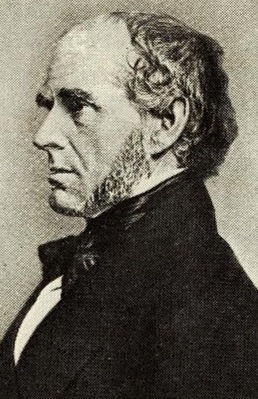
Charles Allen
U.S.A.

Social Media

Personal Background
Charles Allen holds a robust educational background, having attended Leicester Academy and Yale College. He was admitted to the bar and practiced law in Worcester. Allen's professional career includes significant roles in both the public and private sectors, such as serving in the Massachusetts House of Representatives and State Senate. He also held judicial positions, including serving as a judge of the Court of Common Pleas and later as chief justice of the Suffolk County Superior Court. Allen was involved in national politics, participating in the Whig National Convention and serving in Congress as a Free-Soil Party candidate.
Political Ideas
Charles Allen's political career reveals a complex blend of anti-slavery advocacy and judicial pragmatism. His legislative efforts consistently aligned with the Free-Soil Party, demonstrating a principled stand against slavery's expansion. Allen's judicial appointments, particularly as chief justice, suggest a commitment to legal stability and regional interests. His involvement in the Peace Conference of 1861 indicates a nuanced approach to conflict resolution, balancing moral imperatives with pragmatic diplomacy.