Cecil H. Underwood
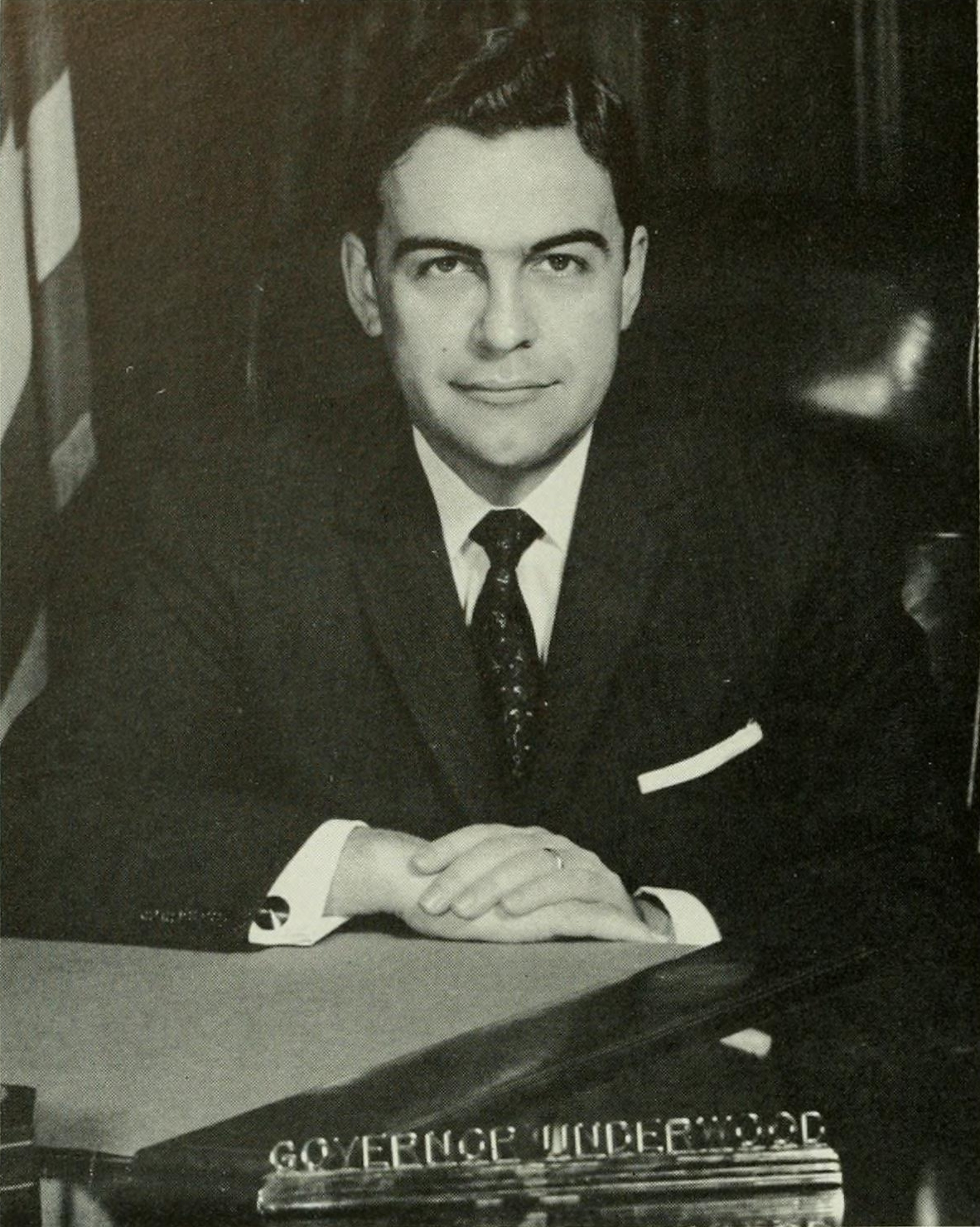
Cecil H. Underwood
U.S.A.

Social Media

Personal Background
Cecil H. Underwood holds a robust educational background, having earned a bachelor's degree in 1943 and a master's degree in 1965. He began his career as a high school biology teacher before transitioning into academic administration. Underwood's early political career included significant roles in the West Virginia House of Delegates, where he served as House Minority Leader multiple times. His tenure as governor was marked by initiatives in civil rights, education, and infrastructure, including the desegregation of schools and the establishment of the West Virginia Mental Health Department. Between his two terms as governor, Underwood engaged in various professional activities, including leadership roles in higher education and the private sector. His second term focused on streamlining government operations and regional economic development.
Political Ideas
Cecil H. Underwood's political identity is marked by a blend of progressive civil rights advocacy and fiscal conservatism. His tenure as governor saw him champion desegregation and civil rights legislation while simultaneously streamlining administrative costs. Underwood's approach to criminal justice was notably severe, overseeing the last executions in West Virginia, which contrasts with his broader progressive stances. This juxtaposition of progressive social policies with a stringent fiscal approach reveals a unique ideological balancing act.