Cassius Marcellus Clay
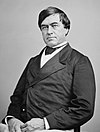
Cassius Marcellus Clay
U.S.A.
Social Media

Personal Background
Cassius Marcellus Clay attended Transylvania University and graduated from Yale College. He was inspired by abolitionist William Lloyd Garrison and advocated for gradual legal change. Clay held multiple political positions, including three terms in the Kentucky House of Representatives. He served as a captain in the Mexican–American War and organized a volunteer group to protect Washington, D.C. He was appointed Minister to Russia by President Lincoln and played a key role in securing Russia's aid to the Union. Clay's military service included a commission as a major general in the Union Army. He later shifted his political affiliations and was elected president of the 1890 Kentucky Constitutional Convention.
Political Ideas
Cassius Marcellus Clay's political identity is marked by an intriguing blend of radical abolitionism and strategic pragmatism. He advocated for gradual legal change in ending slavery, yet held on to some slaves until the Civil War's end, revealing a complex approach to emancipation. His support for nationalizing railroads and opposing the power of industrialists suggests a unique stance on economic policy. Clay's diplomatic role in securing Russian aid during the Civil War highlights his adeptness at leveraging international connections for domestic gain. His political shifts and ideological flexibility, including leaving the Republican Party and supporting Democratic candidates, further underscore a highly localized and calculated approach to policymaking.