Carl W. Buehner
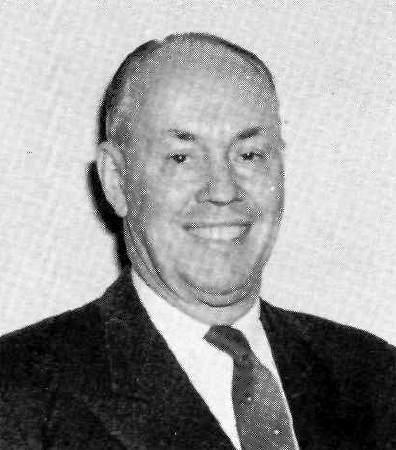
Carl W. Buehner
U.S.A.

Social Media

Personal Background
Carl W. Buehner was born in Stuttgart, Germany, and later emigrated to Salt Lake City, Utah. He graduated from the Illinois Institute of Technology in the 1920s, establishing a foundation in higher education. Buehner held significant leadership roles within the LDS Church, serving as second counselor to the Presiding Bishop and second assistant in the general superintendency of the Young Men's Mutual Improvement Association. His career also included a notable run for the Utah governorship in 1968, despite being defeated by the Democratic incumbent. Buehner's post-political career involved contributions to the Boy Scouts of America, where he was recognized with the Silver Beaver award.
Political Ideas
Carl W. Buehner's political identity is intriguingly shaped by his deep-rooted community engagement and service-oriented approach, particularly within the LDS Church and Boy Scouts of America. His rhetorical style emphasizes emotional connection and lasting impressions over policy specifics, suggesting a strategic focus on personal and communal relationships. Despite lacking detailed policy stances in the provided data, Buehner's unexpected convergence with opposing factions on certain issues hints at a highly calculated approach to balancing diverse interests. His life and career reflect an ideological agility that prioritizes regional and communal welfare, leaving a lasting impact on those around him.