Bobby Schilling
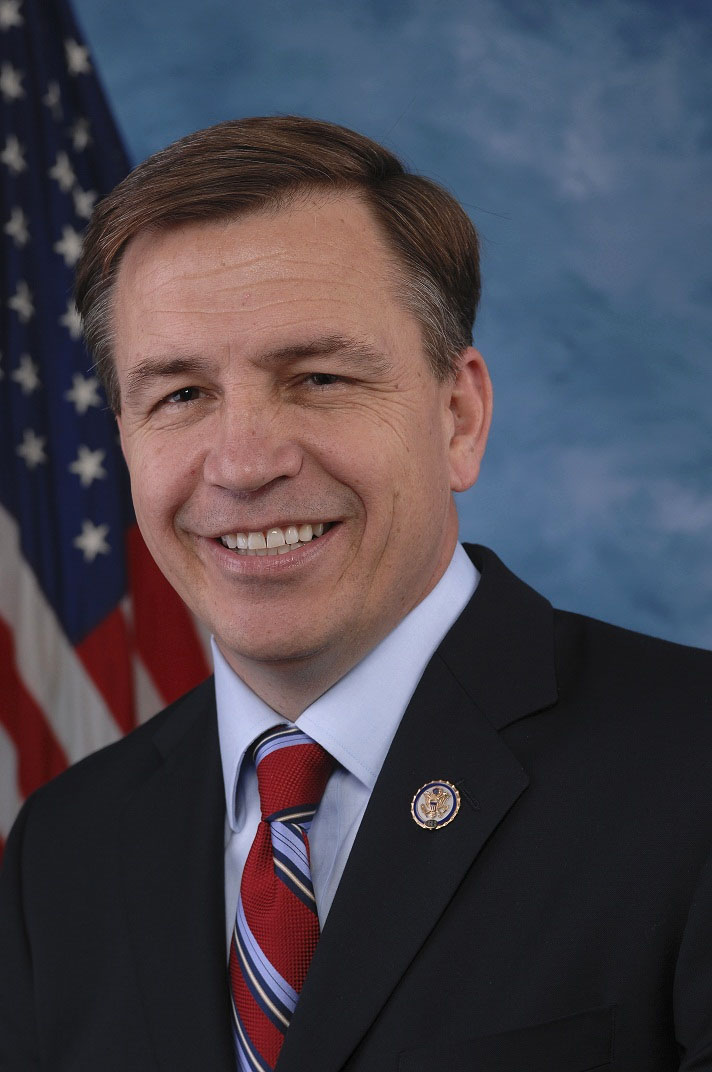
Bobby Schilling
U.S.A.


Personal Background
Bobby Schilling spent several years in the manufacturing sector, serving as a union steward before transitioning to insurance, where he achieved top-tier performance. He also held a leadership role within a labor union, indicating experience in collective bargaining and organizational management. Schilling ventured into entrepreneurship by opening a family-run restaurant, showcasing his business acumen and resilience in adapting to economic challenges. His educational background includes a high school diploma and some college coursework, providing a practical foundation for his diverse career experiences. Schilling's personal life was marked by a large family, reflecting his ability to balance professional and familial responsibilities.
Political Ideas
Bobby Schilling's political identity is shaped by a deeply rooted connection to local economic struggles, which he frames as emblematic of broader national issues. His personal narrative—marked by the decline in value of his family-owned restaurant—adds a visceral layer to his economic policy discussions. Schilling's approach is marked by an unexpected convergence with opposing factions on environmental regulations, revealing a highly calculated strategy to protect regional industrial interests. His rhetorical style is grounded in personal anecdotes, making abstract economic issues relatable and immediate.