Benjamin Lincoln
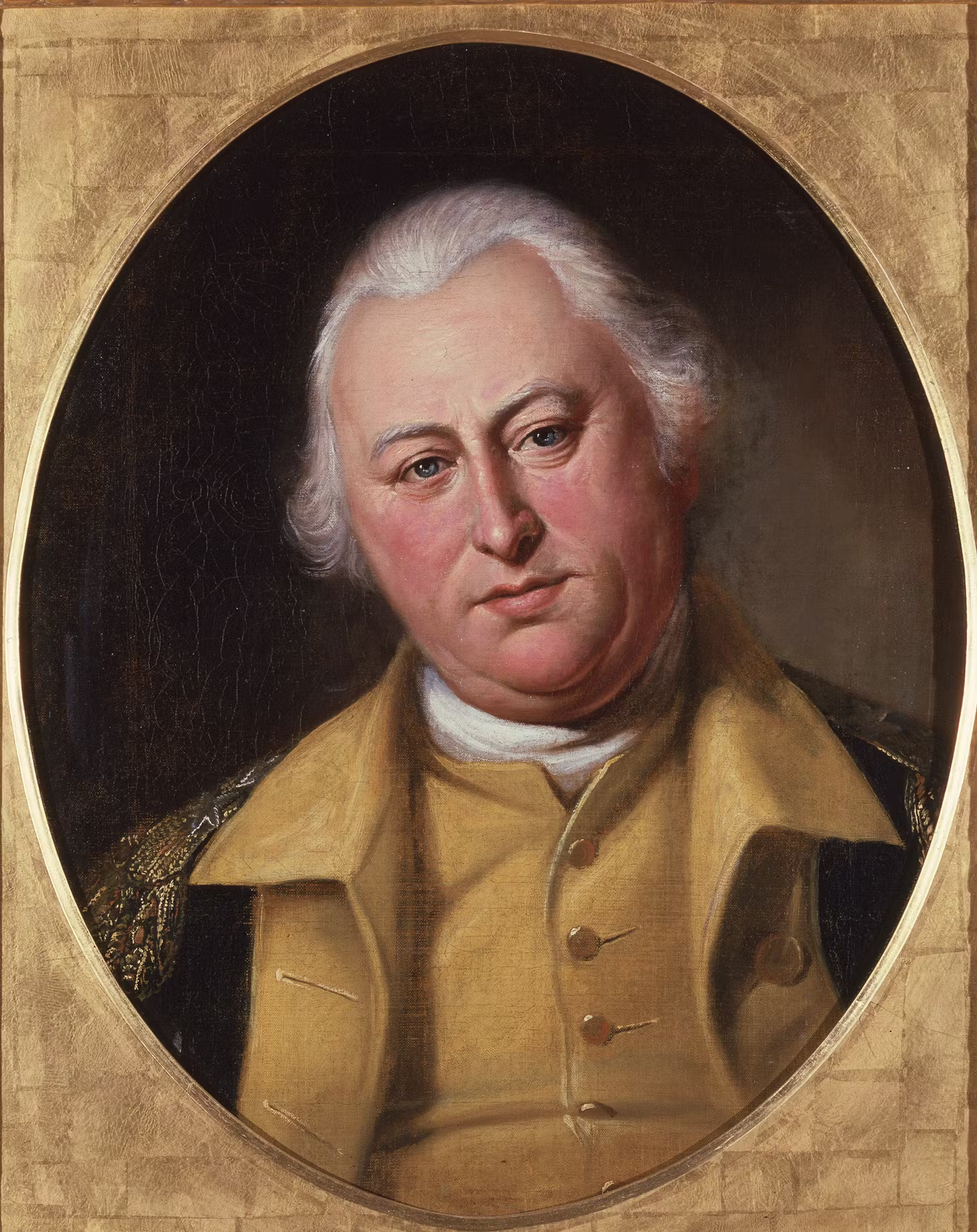
Benjamin Lincoln
U.S.A.

Social Media

Personal Background
Benjamin Lincoln's early life in Hingham, Massachusetts, included roles in local governance and militia service, establishing a foundation in public service. He pursued a career in public administration, holding positions such as town clerk and selectman, and became a leading Patriot in his community. His involvement in the American Revolution included significant contributions to supply procurement for the Continental Army and participation in key military and political committees. Post-war, Lincoln played a role in suppressing domestic insurrections and supported the United States Constitution. His extensive public service extended to various state offices, including Lieutenant Governor of Massachusetts.
Political Ideas
Benjamin Lincoln’s political identity is marked by a steadfast dedication to logistical support and public service, underscored by his pivotal role in supplying the Continental Army and suppressing domestic insurrections. His support for the United States Constitution reveals a commitment to a strong federal government, yet his involvement in agricultural societies suggests an interest in localized economic development. This blend of federalist principles with local advocacy creates a nuanced ideological positioning that merits further exploration.