Benjamin Harrison V
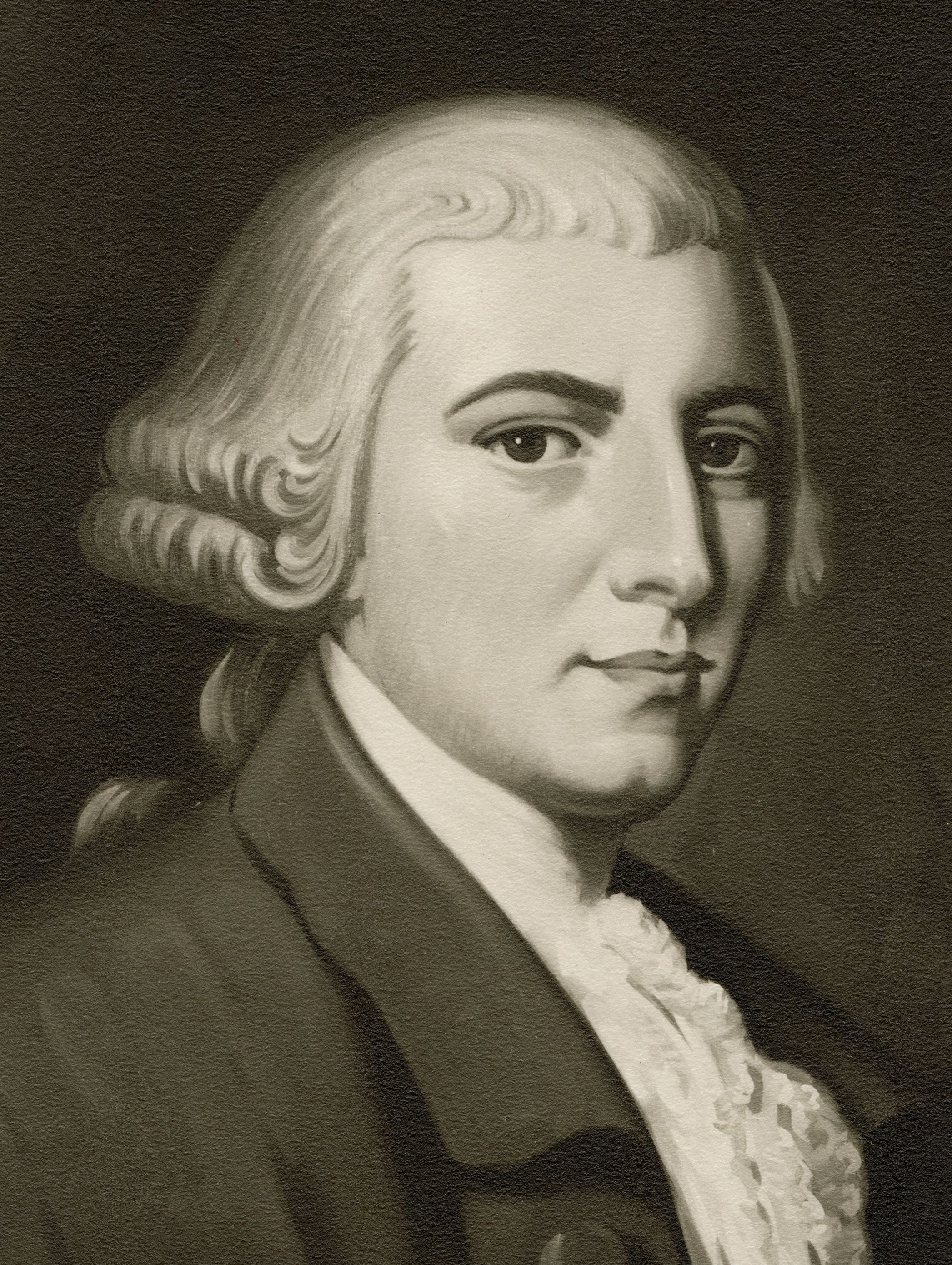
Benjamin Harrison V
U.S.A.

Social Media

Personal Background
Benjamin Harrison V held significant roles in early American political and legislative frameworks. He began his career in the Virginia House of Burgesses and later participated in the Continental Congress, where he contributed to pivotal decisions such as signing the Continental Association and supporting the funding of Washington's army. His leadership extended to chairing key committees during the debates on the Declaration of Independence. As Governor of Virginia, he addressed financial and treaty issues, including the Treaty of Paris. Harrison V also played a role in shaping economic and governance policies, opposing taxation without representation and advocating for colonial representation in Parliament. His contributions to the Virginia Statute for Religious Freedom and his opposition to state aid to religious teachers underscore his commitment to religious liberty.
Political Ideas
Benjamin Harrison V's political identity is marked by a steadfast opposition to taxation without representation and a commitment to colonial self-governance, blending traditional British rights with revolutionary fervor. His advocacy for state aid to religion contrasts with his later opposition to a federal bill of rights, revealing a complex stance on governance and individual liberties. Harrison V's approach to military and defense reveals a pragmatic yet principled strategy, balancing support for the Continental Army with efforts for peaceful Indian treaties.