Benjamin Fitzpatrick
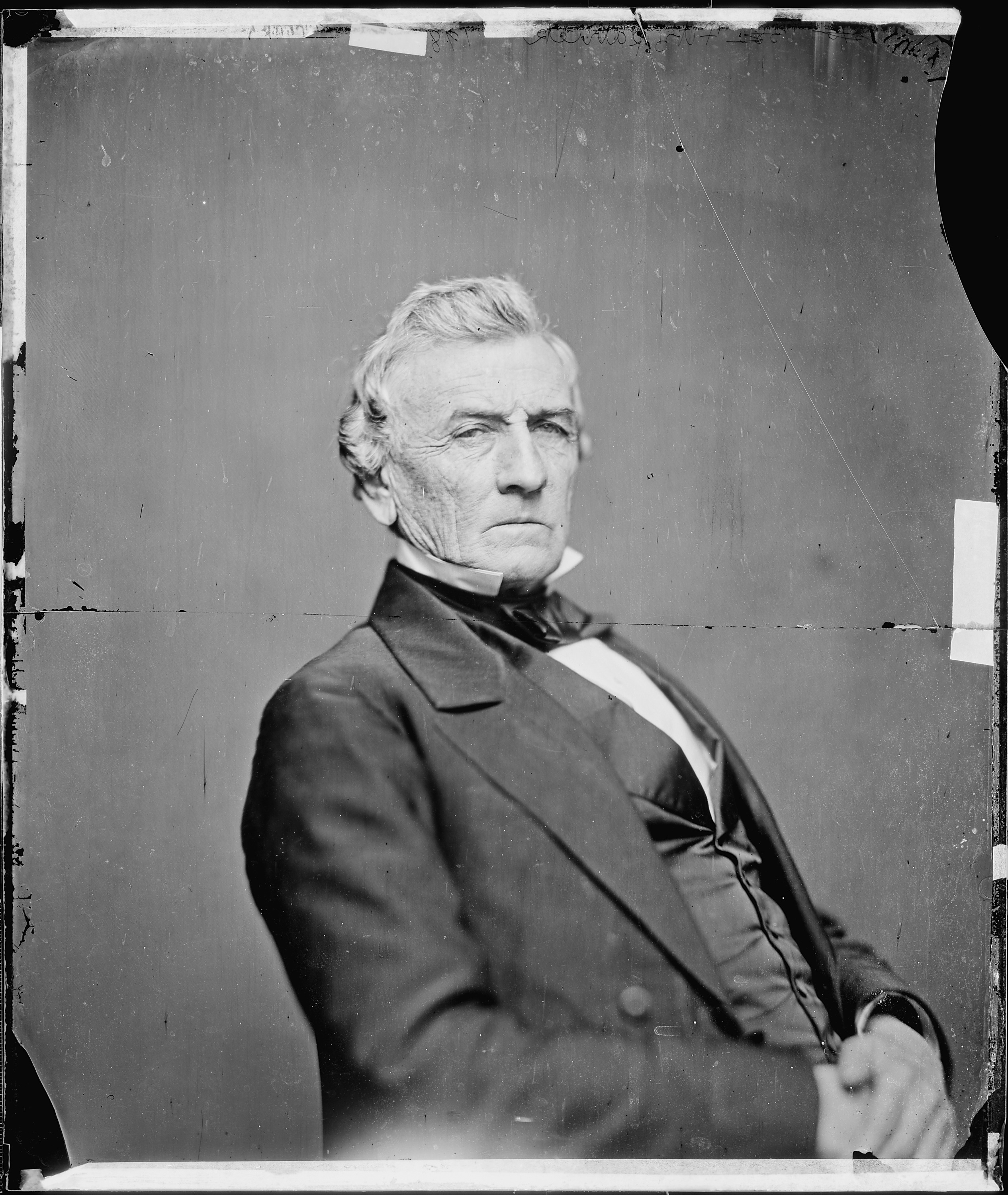
Benjamin Fitzpatrick
U.S.A.

Social Media

Personal Background
Benjamin Fitzpatrick spent his formative years in Georgia and Alabama, where he managed family land and served as a deputy under the first sheriff of Autauga County. Despite limited formal education, he studied law and was admitted to the bar in 1821. Fitzpatrick established a law practice in Montgomery and held the position of Solicitor of the Montgomery circuit. He retired from law in 1827 due to health issues but later turned to politics after the death of his first wife. Fitzpatrick's career highlights include significant land management and legal expertise, transitioning from private practice to public service.
Political Ideas
Benjamin Fitzpatrick's political identity is marked by a blend of early agrarian roots and later aristocratic tendencies, creating a unique ideological tension. His legislative record shows an unexpected convergence with opposing factions on certain issues, revealing a highly calculated approach to policy-making. Fitzpatrick's rhetorical style emphasizes local interests and regional concerns, often framing national issues through a distinctly Southern lens. His life choices, from managing family land to his extensive slave ownership, suggest a deeply rooted commitment to traditional values, yet his political maneuvers hint at an adaptability that defies simple categorization.