Ben Tillman
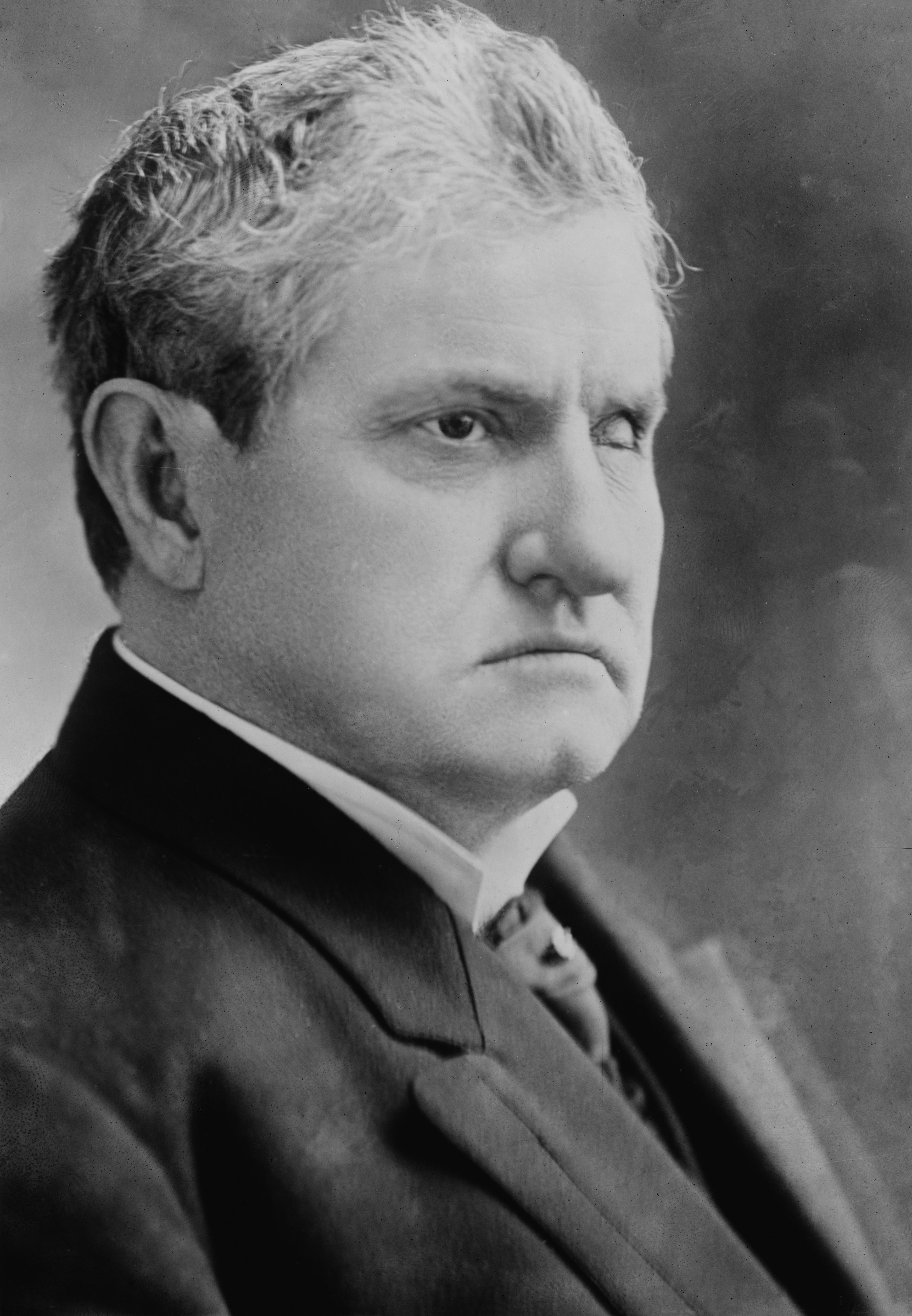
Ben Tillman
U.S.A.

Social Media

Personal Background
Ben Tillman's foundational background is marked by a formative upbringing on a family plantation in South Carolina, followed by a period of personal hardship and recovery. He gained experience in agricultural management and leadership through his work on the Chester plantation and his involvement with the Edgefield Hussars. Tillman's transition to political leadership was characterized by his election to the U.S. Senate, where he became known for his advocacy of policies benefiting farmers and poor mill workers. His controversial racial policies and significant influence on disenfranchising African Americans in South Carolina further define his legacy.
Political Ideas
Ben Tillman's political identity is marked by a complex interplay of progressive economic policies for the lower class and deeply regressive racial ideologies. Tillman's advocacy for farmers and poor mill workers, coupled with his opposition to the wealthy planter class, reveals a localized and class-conscious approach. However, his staunch white supremacist policies and role in disenfranchising African Americans in South Carolina present a stark contrast, showcasing a highly divisive and exclusionary political stance. This tension between his economic populism and racial extremism invites deeper examination into how he reconciled these opposing forces in his political strategy.