Augustus H. Garland
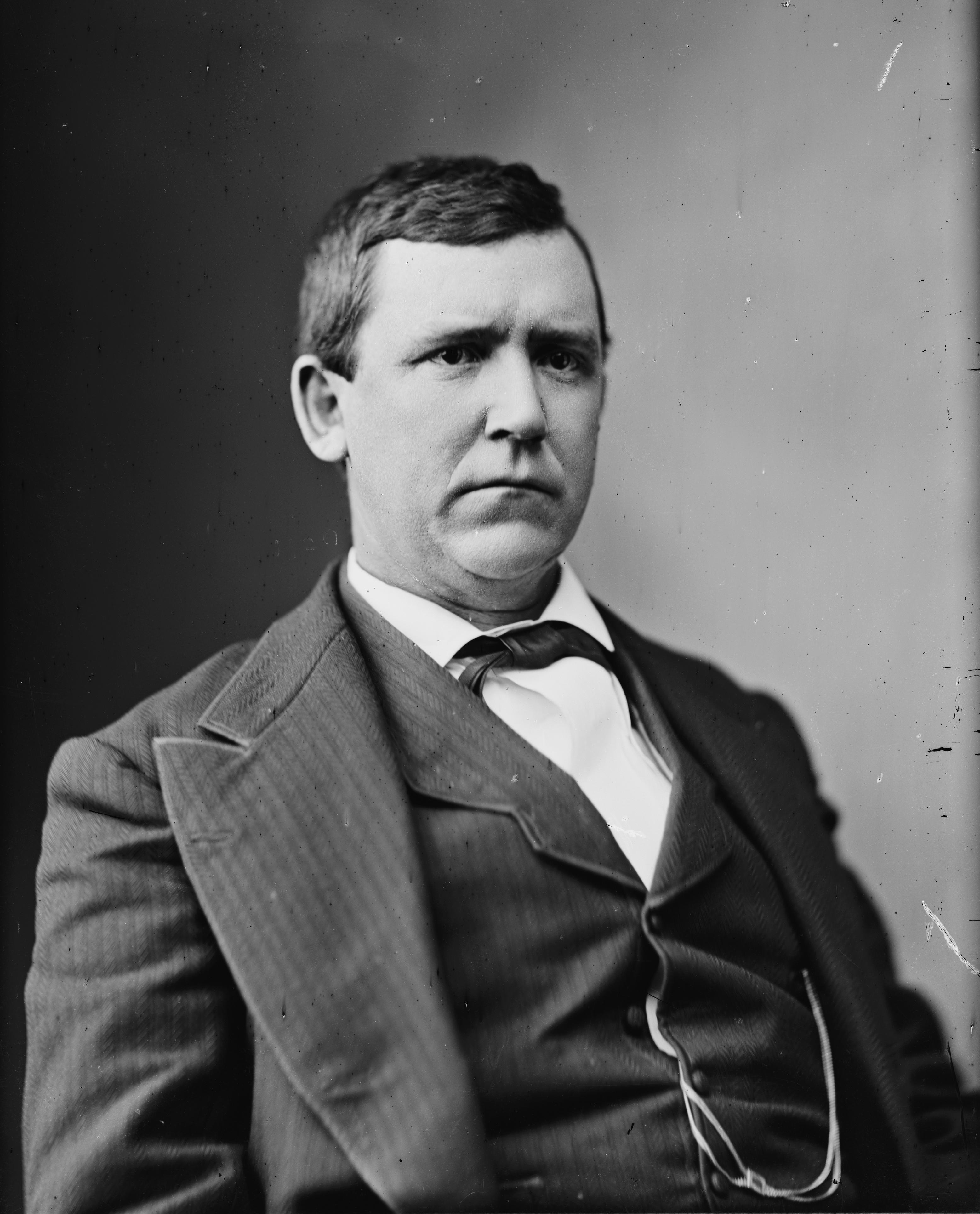
Augustus H. Garland
U.S.A.

Social Media

Personal Background
Augustus H. Garland attended Spring Hill Male Academy and St. Joseph's College, establishing a foundation in classical education. He began his legal career in 1853, practicing law in Arkansas and eventually representing a slave in a landmark case that secured her freedom. Garland transitioned from private practice to public service, participating in the secession convention and later resuming his law practice in Washington, D.C. His career highlights include serving as a presidential elector and authoring several books post-retirement.
Political Ideas
Augustus H. Garland's political identity is marked by a complex interplay between his personal history and evolving ideological stances. His early support for the Whig and Constitutional Union parties reveals an ideological agility, but his later support for secession presents a striking reversal. Garland's legal career, particularly his representation of enslaved individuals, adds another layer of conceptual tension to his political persona. His rhetorical style likely navigates these contradictions with a nuanced approach, balancing regional interests with broader moral considerations.