Augustus Bradford
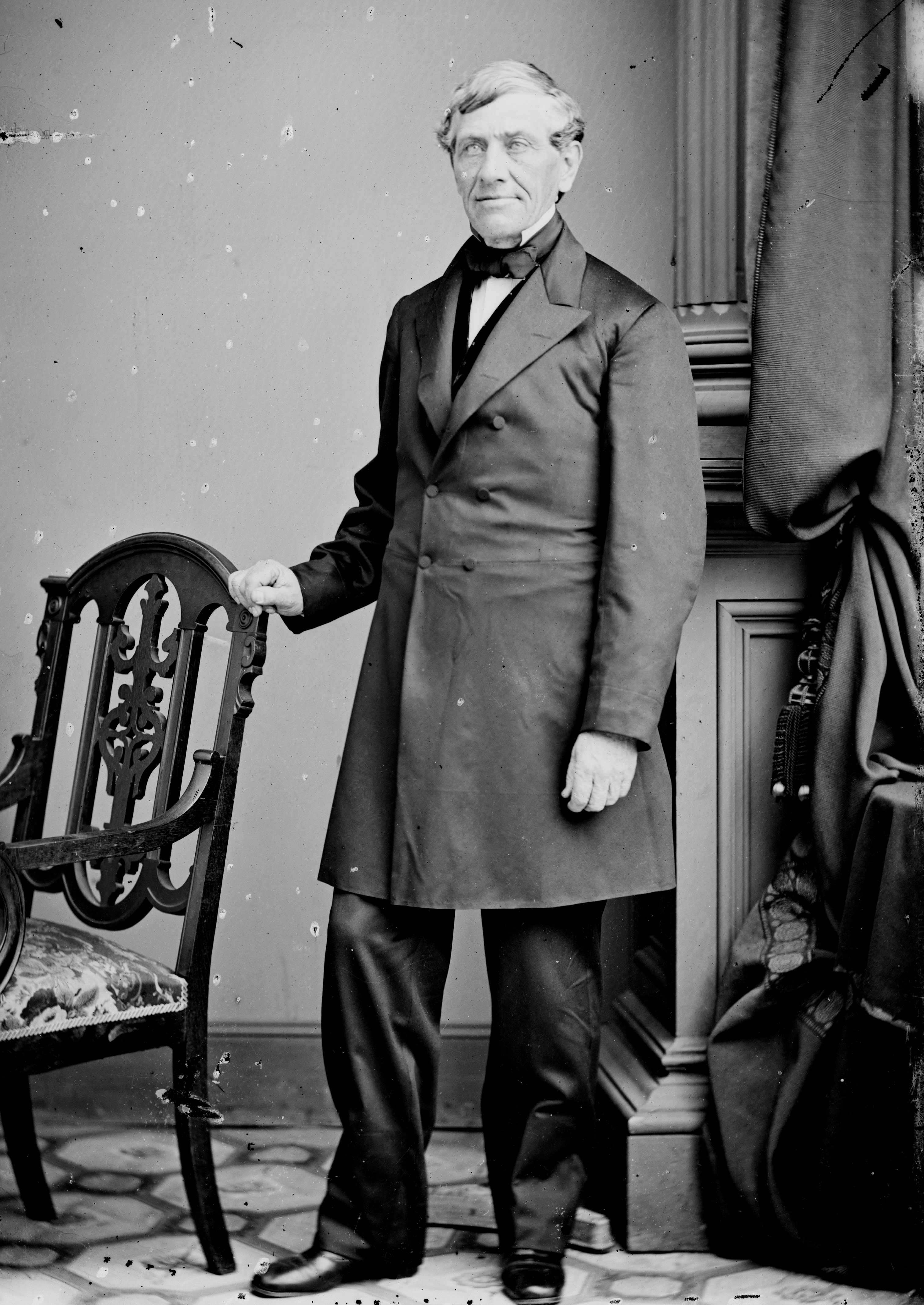
Augustus Bradford
U.S.A.
Social Media

Personal Background
Augustus Bradford graduated from St. Mary's College and was admitted to the bar in 1826. He held various positions in public service, including serving as Clerk of the Baltimore County Court and a delegate to the Washington Peace Conference. Bradford was elected Governor of Maryland, where he played a significant role in the state's transition post-Civil War, including opposing the federal government's policy on enlisting slaves in the Union Army. He later transitioned to federal service, appointed as Surveyor of the Port of Baltimore. Throughout his career, Bradford demonstrated leadership in education reform, civil rights, and economic policy.
Political Ideas
Augustus Bradford's political identity is marked by a complex interplay between federal authority and state sovereignty, especially during the Civil War. His unexpected advocacy for immigration post-slavery abolition and his support for a state education system reveal a nuanced approach to economic and social development. Notably, Bradford's actions, such as releasing a freedman on the condition he leave the state, and his opposition to the federal enlistment of slaves, highlight a strategic balancing act between progressive civil rights and regional interests.