Asahel Peck
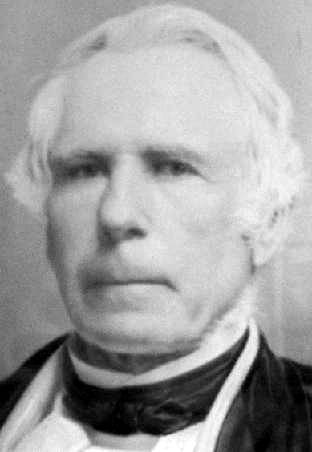
Asahel Peck
U.S.A.

Social Media

Personal Background
Asahel Peck completed a comprehensive education, attending Hinesburg Academy, Washington County Grammar School, and the University of Vermont, where he later earned a Bachelor of Arts degree. He studied law in Hinesburg and Montpelier, and was admitted to the bar in 1832. Peck served as a Circuit Judge and later in the Vermont Senate, where he chaired the Judiciary Committee. He transitioned to the judiciary, serving as an associate justice of the Vermont Supreme Court and later as Governor of Vermont. Post-governorship, Peck returned to his farm and law practice in Jericho, Vermont.
Political Ideas
Asahel Peck's political career reveals a penchant for bridging ideological divides, particularly in his support for improved prison conditions and workhouses for minor offenders, suggesting a nuanced approach to criminal justice reform. His support for the creation of a State Superintendent of Public Instruction indicates a commitment to educational infrastructure, while his advocacy for a waterway connecting the St. Lawrence River with the Great Lakes highlights a forward-thinking stance on regional economic development. Peck’s switch from the Democratic to the Republican Party in the mid-1850s adds an intriguing layer to his ideological flexibility, hinting at a strategy of aligning with policies that best serve his constituents' needs.