Arthur Sewall
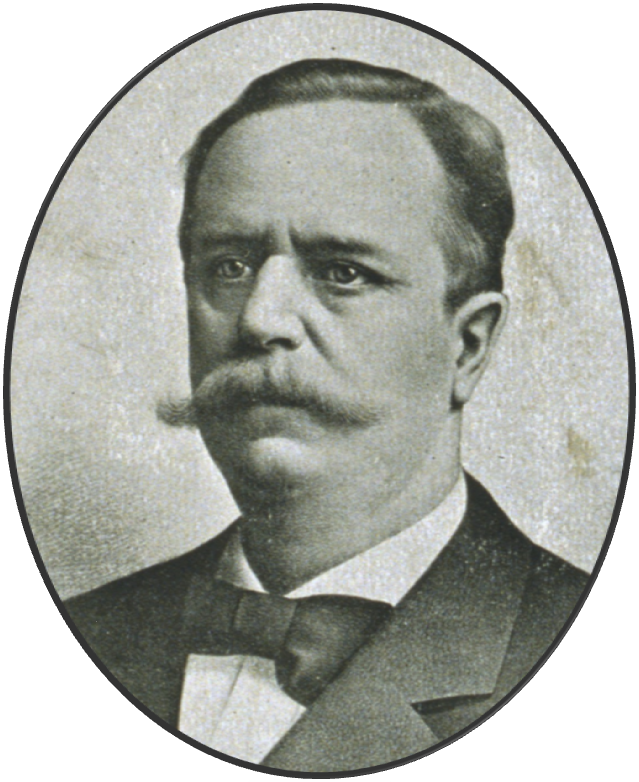
Arthur Sewall
U.S.A.

Social Media

Personal Background
Arthur Sewall managed a prominent shipbuilding enterprise and held leadership roles in significant transportation and financial institutions. He transitioned from the private sector to national politics, demonstrating adaptability and a broad skill set. Sewall's career highlights include overseeing the construction of the world's largest wooden ship and a notable run for U.S. Senate. His professional background and leadership experience laid a foundation for his later political endeavors.
Political Ideas
Arthur Sewall's political identity is marked by an intriguing blend of economic protectionism and an almost imperialistic foreign policy stance. His advocacy for free silver and high tariffs reveals a protectionist economic philosophy that diverges from typical Democratic economic policies of his time. Furthermore, Sewall's Swedenborgian beliefs seem to subtly influence his political approach, adding a layer of ideological depth. His unexpected convergence with opposing factions on environmental regulations showcases a highly calculated strategy to protect regional industrial interests.