Arthur J. Lacy
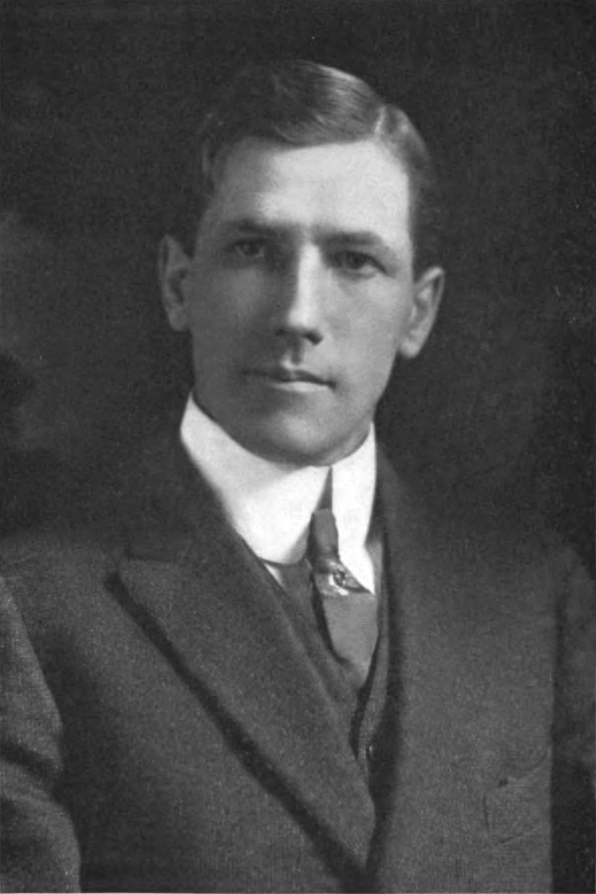
Arthur J. Lacy
U.S.A.

Social Media

Personal Background
Arthur J. Lacy earned his LL.B. from Valparaiso University and the University of Michigan, subsequently becoming a member of both the Indiana and Michigan Bar Associations. He began his legal career in Clare, Michigan, where he served as city attorney and mayor. Lacy transitioned to Detroit, where he practiced law and held positions such as head of the civil service commission and judge of the Detroit Domestic Relations Court. He played a significant role in assisting Michigan banks during the Great Depression and co-authored the Michigan Emergency Banking Act. Lacy's career included various leadership roles within bar associations and civic organizations.
Political Ideas
Arthur J. Lacy's political identity is marked by an ideological agility that defies traditional party lines. Despite starting as a Democrat and later switching to the Republican Party, he struggled to find acceptance within either faction. His economic policies reveal a surprising alignment with fiscal conservatives during the Great Depression, opposing heavy taxation and high governmental costs, while simultaneously collaborating with Democrats to stabilize Michigan's banking sector. Lacy's legislative actions, including his resistance to President Roosevelt's deficit spending and court packing, further illustrate a calculated approach to balancing regional economic interests with broader national policies.