Arthur I. Boreman
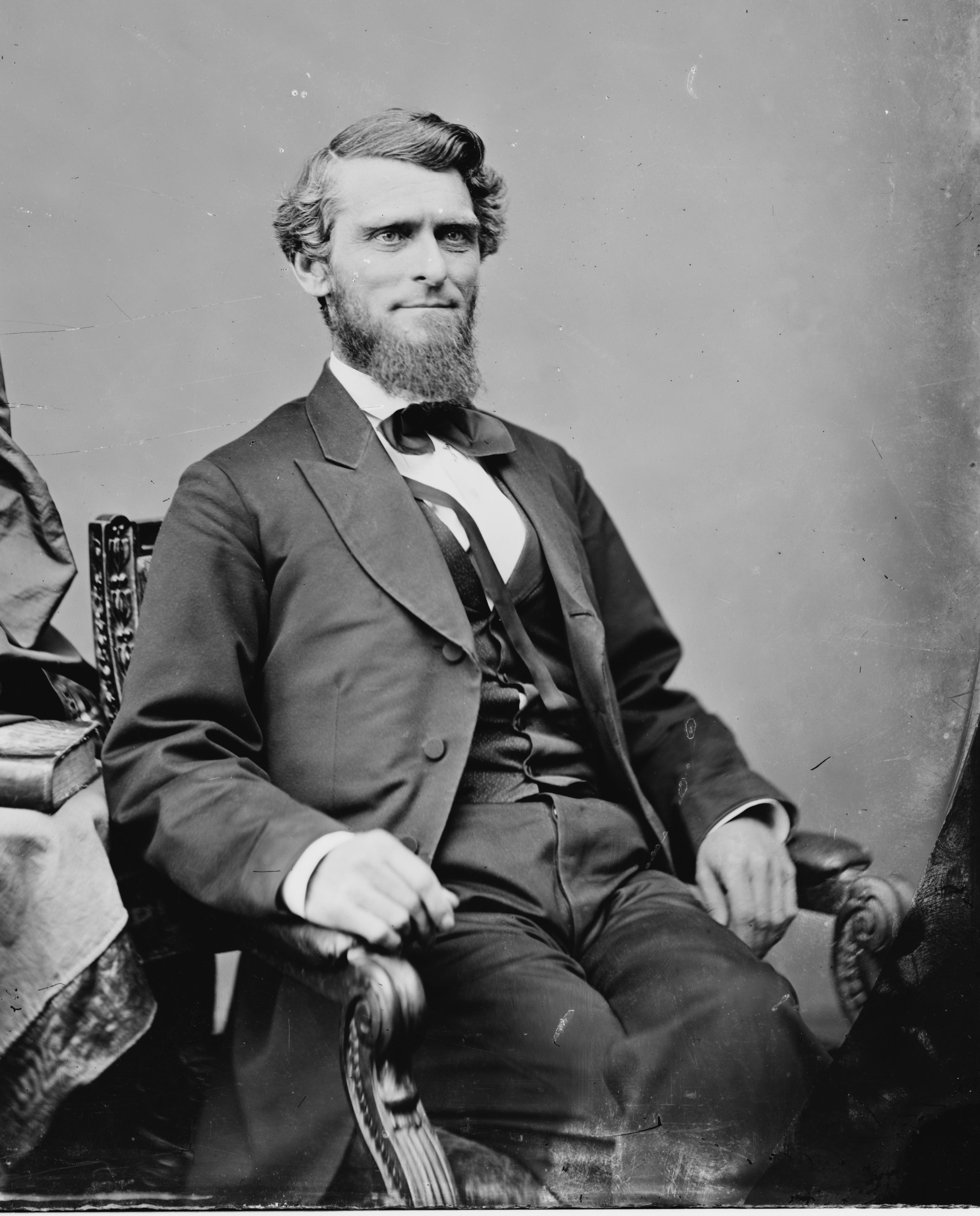
Arthur I. Boreman
U.S.A.

Social Media

Personal Background
Arthur I. Boreman studied law with notable figures and was admitted to the Virginia bar in 1845. He served in the Virginia House of Delegates until 1861 and opposed Virginia's secession from the Union. Boreman led the establishment of the Restored Government of Virginia and became West Virginia's first governor. He later served in the U.S. Senate and helped pass the 15th Amendment. Following his political career, Boreman returned to law practice and was elected as a circuit judge, where he focused on recovery efforts after significant floods.
Political Ideas
Arthur I. Boreman's political identity is marked by a steadfast commitment to Unionism and a strategic approach to regional governance. His opposition to Virginia's secession and pivotal role in establishing the Restored Government of Virginia illustrate a calculated stance on state sovereignty. Boreman's advocacy for the 15th Amendment reveals an unexpected alignment with civil rights progressivism, juxtaposed with his Unionist roots. His judicial career, particularly his focus on flood recovery, highlights a localized approach to governance, emphasizing practical regional needs over broader ideological battles.