Arnoldus Vanderhorst
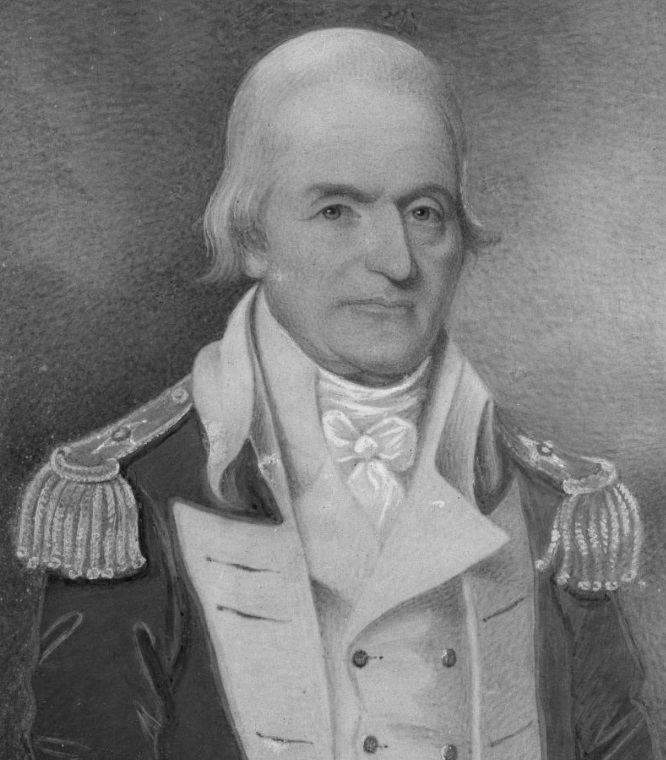
Arnoldus Vanderhorst
U.S.A.

Social Media

Personal Background
Arnoldus Vanderhorst began his career in the South Carolina House of Representatives, followed by service in the South Carolina Senate. He transitioned to municipal governance as the Mayor of Charleston, where he implemented notable reforms. Vanderhorst later served as Governor of South Carolina, during which he championed significant criminal justice reforms, including the establishment of a state penitentiary. Post-governorship, he returned to his plantation, where he remained until his death.
Political Ideas
Arnoldus Vanderhorst's political identity is marked by an ideological agility that juxtaposes his Federalist leanings with progressive stances on criminal justice reform. His legislative efforts to revise the criminal code and propose a humane prison system reveal a surprising commitment to rehabilitative justice, contrasting with his otherwise conservative political affiliations. Vanderhorst's rhetorical style emphasizes the moral imperative of reform, framing his proposals as necessary steps to align the state's justice system with Enlightenment ideals. This blend of traditional and progressive policies makes Vanderhorst a compelling figure whose approach to governance challenges conventional categorizations.