Anthony Caminetti
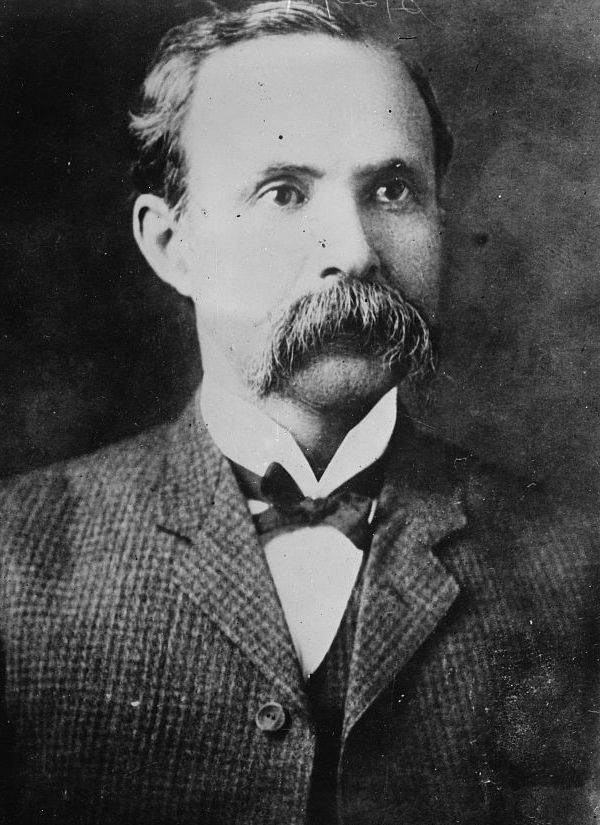
Anthony Caminetti
U.S.A.

Social Media

Personal Background
Anthony Caminetti was born to Italian emigrants and established a legal career in California. He served in various capacities within the state legislature and as a district attorney before transitioning to federal roles. He enacted significant educational reforms, including the Upward Extension Act, which led to the creation of junior colleges. Caminetti also held prominent positions in immigration and employment sectors, including serving as the United States Commissioner General of Immigration and being assigned to the National Employment Bureau. His career further encompassed roles in war-time economic oversight and post-war condition assessments.
Political Ideas
Anthony Caminetti's political identity is marked by a paradoxical blend of progressive educational reforms and staunch exclusionary immigration policies. His legislative efforts to establish junior colleges contrast sharply with his advocacy for racial exclusion in immigration, revealing a complex approach to social engineering. Caminetti’s wartime assignments and post-war investigations highlight an operational style that merges domestic policy innovation with strategic wartime engagement. His rhetorical framing often juxtaposes regional economic interests with broader national security concerns, leaving a nuanced legacy that invites deeper exploration.