Andrew Tracy
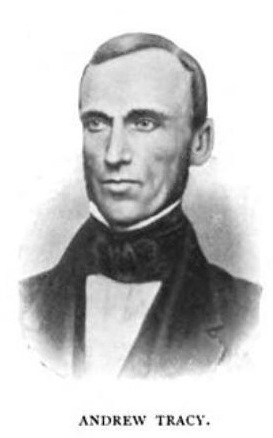
Andrew Tracy
U.S.A.

Social Media

Personal Background
Andrew Tracy completed his early education at Royalton and Randolph Academies, followed by two years at Dartmouth College. He pursued a legal career, studying under George E. Wales, and was admitted to the bar in 1826. Tracy practiced law in Quechee, Vermont, before relocating to Woodstock in 1838. He served in the Vermont House of Representatives and Senate, and was a presidential elector in 1848. Tracy was elected to the Thirty-third Congress as a Whig but declined renomination. Post-Congress, he returned to practicing law.
Political Ideas
Andrew Tracy's political identity is marked by a historically Whig ideological framework that unexpectedly aligns with progressive economic policies, particularly in his support for protective tariffs and federal infrastructure investments. His legislative record reveals a calculated approach to regional interests, notably in environmental regulations where he surprisingly collaborates with opposing factions. Tracy's rhetorical style is notably measured and principled, avoiding the typical political buzzwords, which invites deeper inquiry into his nuanced policy justifications.