Andrew Jackson
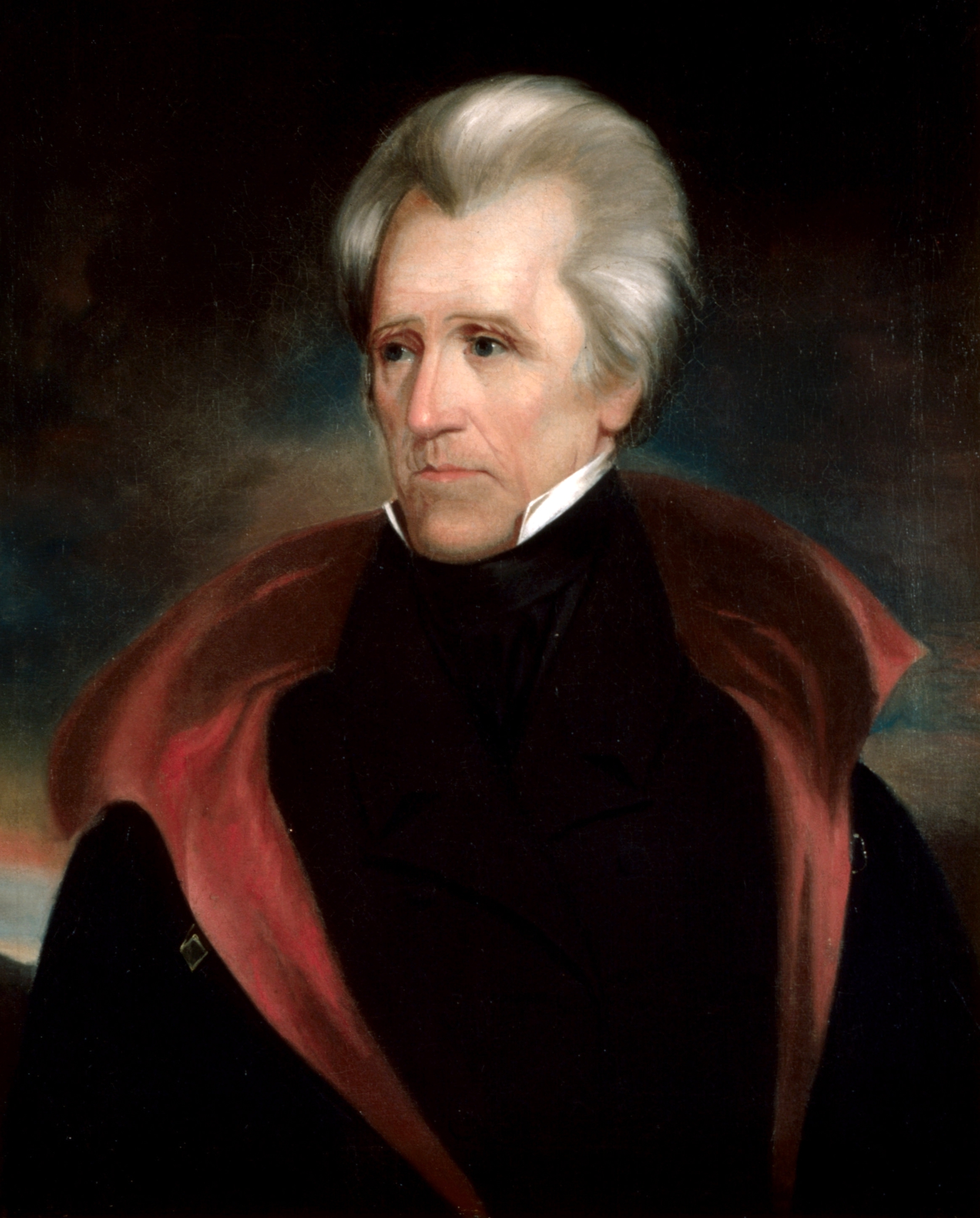
Andrew Jackson
U.S.A.

Social Media

Personal Background
Andrew Jackson retired from the presidency and focused on advocating for an Independent Treasury system to address economic instability. He transitioned from public office to private life, yet remained influential in national policy debates. Jackson demonstrated a consistent interest in economic policy, particularly in managing the national currency and banking systems. His career included significant involvement in foreign policy, particularly the annexation of Texas, reflecting a strategic vision for the nation's territorial expansion. Jackson's legacy is marked by his controversial stance on civil rights, particularly his role in the Indian Removal Act, which has sparked ongoing debates about his impact on American society.
Political Ideas
Andrew Jackson's political identity is marked by a paradoxical blend of populism and authoritarian tendencies. He championed an Independent Treasury system to combat inflation, yet his advocacy for the annexation of Texas reveals a strategic geopolitical vision. Jackson's support for coercive Indian removal policies underscores a troubling racial ideology, while his praise for John Tyler’s vetoes suggests an unexpected alignment with fiscal conservatism against central banking. His legacy, oscillating between democratic populism and ethnic cleansing, invites deeper inquiry into his complex motivations and policy justifications.