Andrew H. Burke
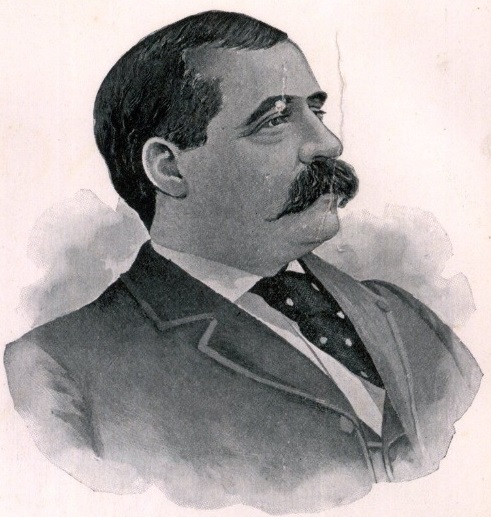
Andrew H. Burke
U.S.A.

Social Media

Personal Background
Andrew H. Burke, born in New York City, was adopted by a farming family in Indiana and later attended DePauw University. He enlisted in the American Civil War at a young age, showcasing early commitment to public service. Following the war, Burke worked in various capacities, including as a bookkeeper and bank cashier in North Dakota. His career transitioned into politics, culminating in his election as governor of North Dakota, where he advocated for the establishment of laws governing presidential electors. Despite facing political challenges, Burke later served in the public sector as an inspector for the United States General Land Office.
Political Ideas
Andrew H. Burke's political identity is marked by a surprising blend of regional pragmatism and ideological rigidity. His legislative focus on presidential elector laws reveals a calculated approach to governance, while his veto on grain elevators and warehouses indicates a staunch defense of industrial interests over populist demands. Burke's early life, shaped by hardship and military service, adds a layer of complexity to his policy decisions, hinting at a deeply rooted, almost contrarian, commitment to certain principles.