Amos C. Barstow
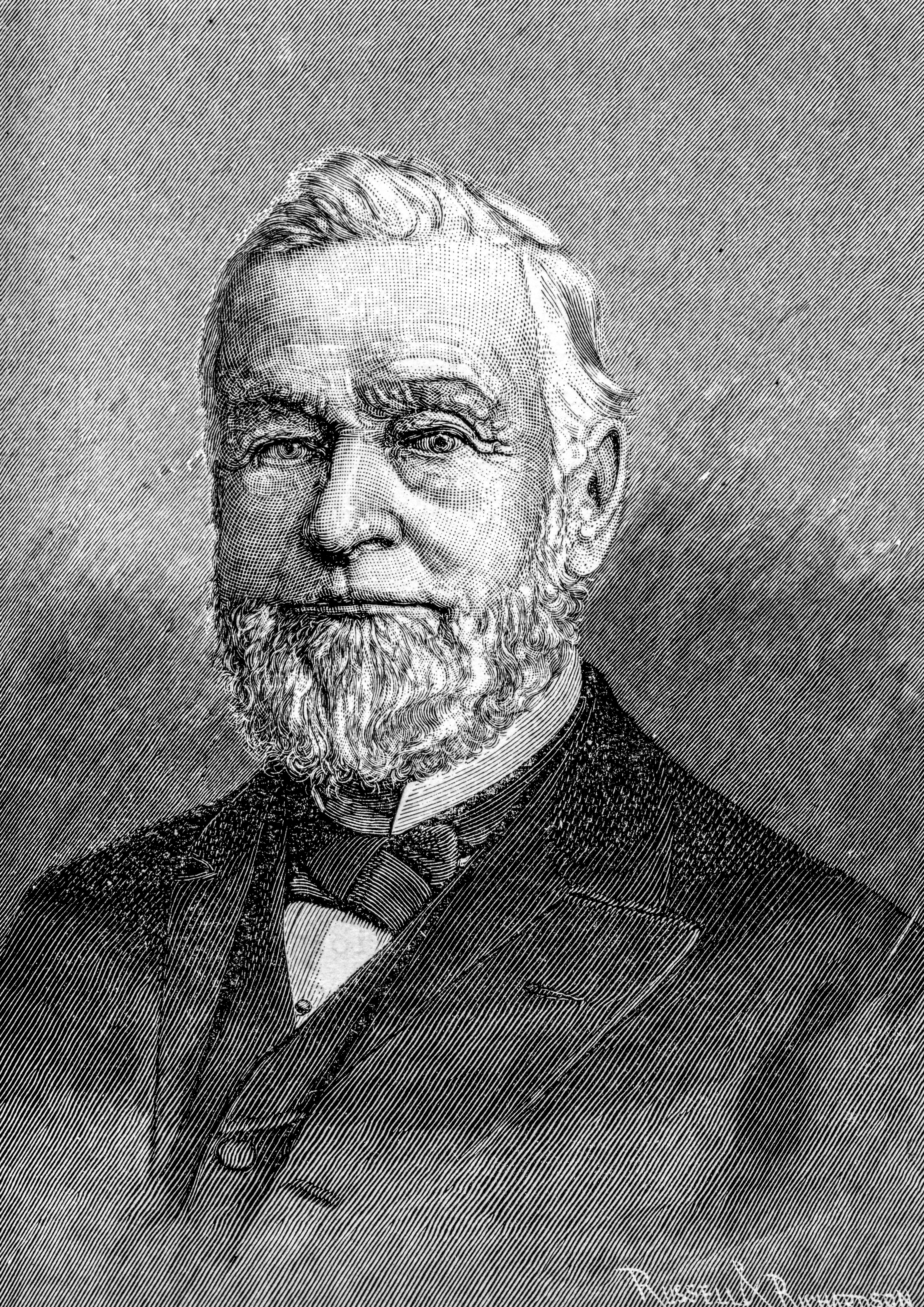
Amos C. Barstow
U.S.A.

Social Media

Personal Background
Amos C. Barstow has a robust background in banking and civic leadership, having served as president of City Bank and helping establish Mechanics Savings Bank. He played a pivotal role in Providence's urban development, including the construction of Providence Music Hall and the planning of Providence City Hall. Barstow's business acumen is evidenced by his success with the Barstow Stove Company, which garnered recognition at the 1873 World's Fair in Vienna. His commitment to social causes is reflected in his active involvement in the Temperance and abolition movements, and he held public office in the Rhode Island General Assembly and as Mayor of Providence.
Political Ideas
Amos C. Barstow's political identity is marked by a distinctive blend of moral advocacy and pragmatic urban governance. His fervent support for temperance and abolition reveals a deeply principled stance, yet his role in shaping Providence's urban landscape indicates an ability to balance idealism with practical city planning. Barstow's ideological agility is evident in his unexpected convergence with opposing factions on environmental regulations, showcasing a calculated approach to regional interests.