Alexander H. Stephens
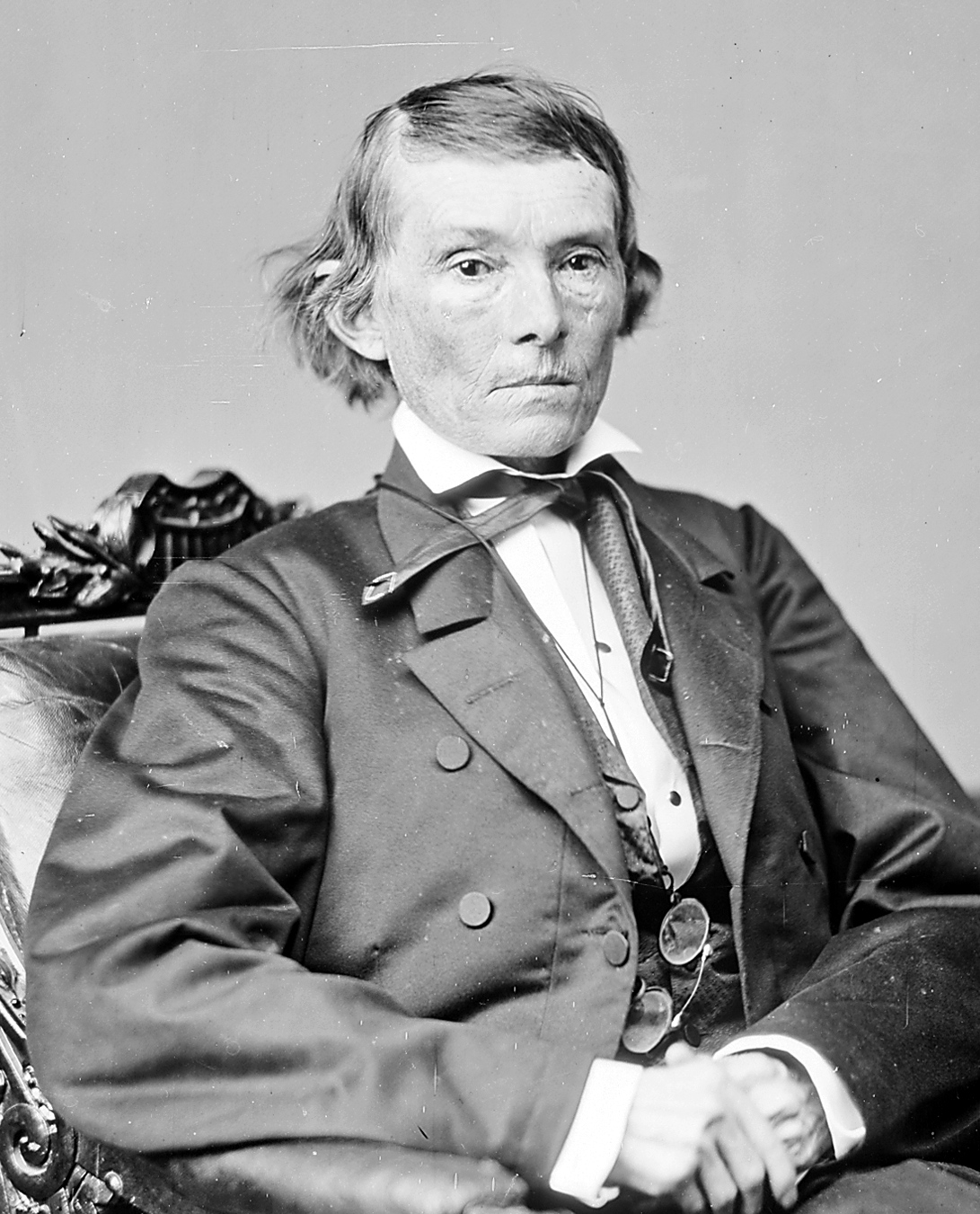
Alexander H. Stephens
U.S.A.

Social Media

Personal Background
Alexander H. Stephens completed his undergraduate education at a prominent institution, graduating at the top of his class. He pursued a career in law, gaining admission to the state bar and establishing a legal practice. Stephens transitioned into politics, gaining experience in both state legislative bodies before serving in the U.S. House of Representatives. His professional background includes a period of leadership in the Confederate administration, where he held the position of Vice President. Despite facing legal challenges post-war, Stephens returned to elected office, serving in both the U.S. House of Representatives and as Governor of Georgia.
Political Ideas
Alexander H. Stephens's political identity is marked by a complex blend of moderation and staunch defense of Southern interests. He initially advocated for the South to remain in the Union but later embraced secession, reflecting a conditional loyalty to federal authority. Stephens's ideological stance on slavery evolved from moderate defense to acceptance of the prevailing Southern rationale, revealing a strategic alignment with regional interests over broader moral considerations. His opposition to the Fourteenth and Fifteenth Amendments highlights a rigid stance on maintaining white supremacy, despite advocating for "wise and humane treatment" of African Americans. This juxtaposition of limited rights advocacy with a call for humane treatment presents a compelling tension in Stephens's approach to race relations.