Alexander H. Holley
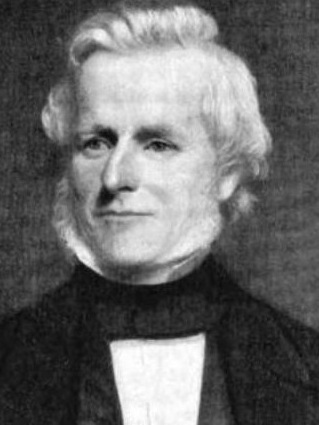
Alexander H. Holley
U.S.A.

Social Media

Personal Background
Alexander H. Holley completed his early education across multiple states and held leadership roles in both the military and business sectors. He served as lieutenant colonel in the state militia and was president of the Holley Manufacturing Company. Holley entered politics as a delegate to the Whig National Convention and later became the 45th lieutenant governor of Connecticut, followed by a term as governor. His business acumen and political experience culminated in his leadership roles as director of the Salisbury Iron Bank and Connecticut Western Railroad.
Political Ideas
Alexander H. Holley's political identity is marked by a calculated approach to balancing industrial interests with civic participation. His advocacy for a one-year waiting period for naturalized citizens to vote reveals a nuanced stance on citizenship and voting rights. Holley's tenure as governor during the Dred Scott case's aftermath suggests a strategic alignment with certain judicial outcomes, potentially to safeguard regional economic interests. His business leadership and political career reflect an ideological agility that merges economic pragmatism with a selective engagement on civil rights issues.