Alan Cranston
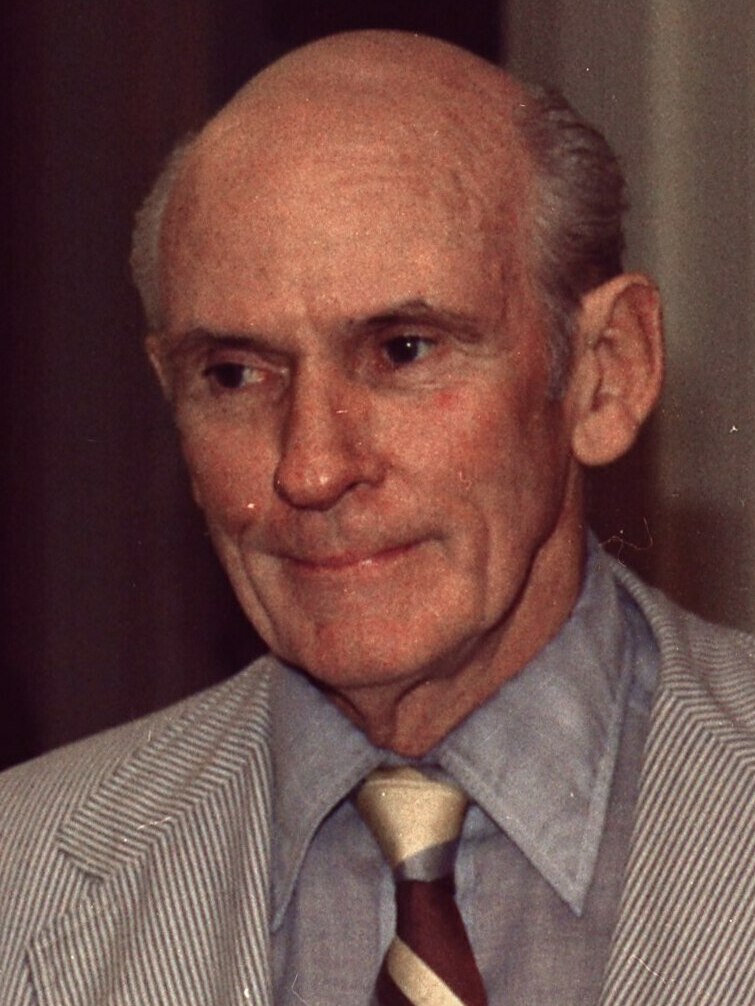
Alan Cranston
U.S.A.

Social Media

Personal Background
Alan Cranston holds an academic background from Stanford University, complemented by international study experience. Early in his career, he worked as a correspondent and editor, gaining notable recognition through the publication of a controversial translation. His military service and subsequent involvement in peace advocacy led to leadership roles in peace and world federalist movements. Cranston's professional trajectory included a shift from journalism to public service, culminating in significant political leadership roles. Post-Senate, he devoted his efforts to global nuclear disarmament through various organizations.
Political Ideas
Alan Cranston's political identity is marked by an ideological agility that defies conventional categorization, blending progressive labor advocacy with staunch anti-nuclear stances. His legislative record reveals unexpected alliances with opposing factions on environmental regulations, suggesting a highly calculated approach to regional industrial interests. Despite his progressive labor and union support, Cranston's consistently low ratings from the U.S. Chamber of Commerce highlight a principled opposition to corporate interests. His lifelong dedication to nuclear disarmament, from the late 1940s through his post-Senate activities, underscores a commitment to global security that remains both principled and unconventional.