Abraham Ribicoff
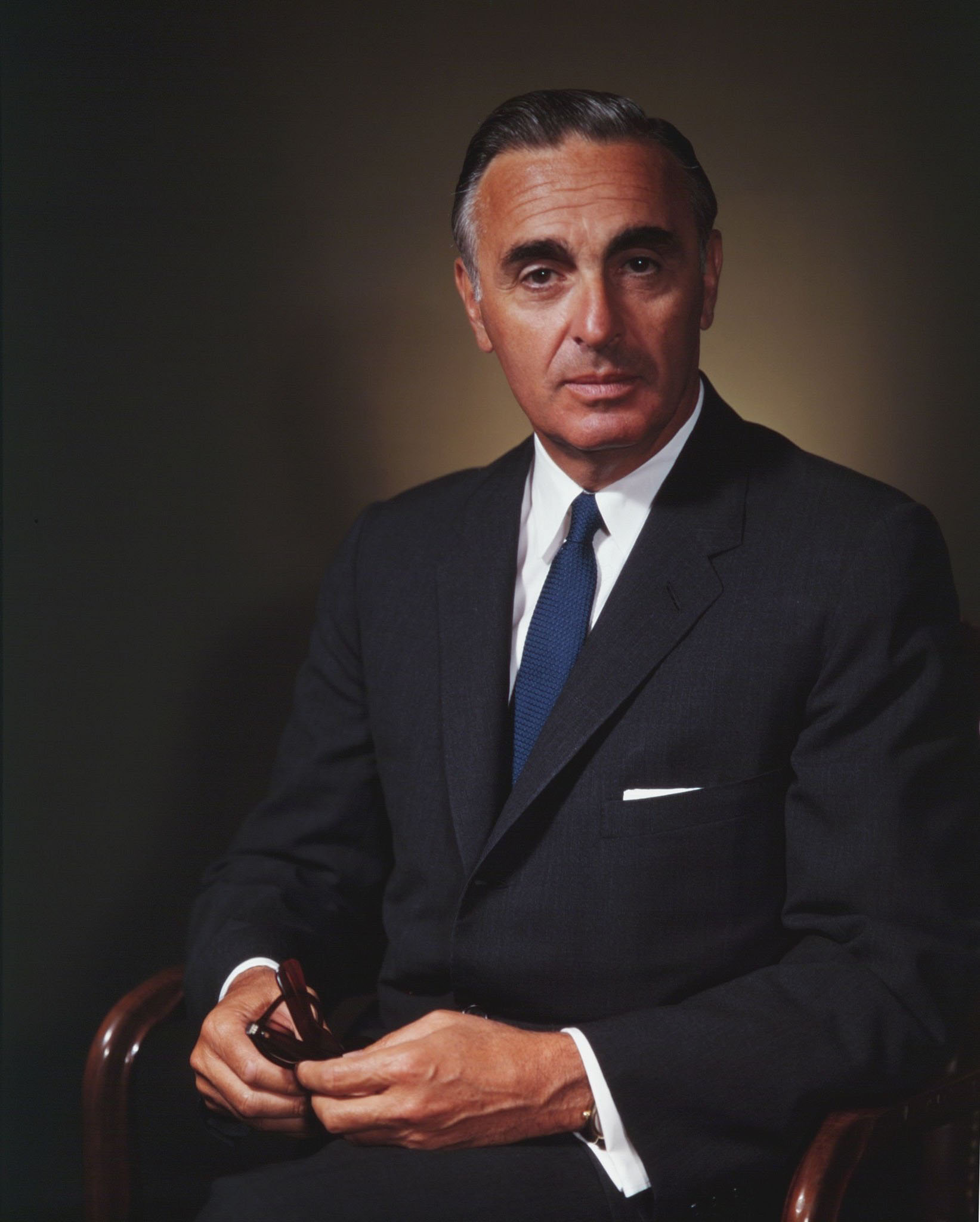
Abraham Ribicoff
U.S.A.

Social Media

Personal Background
Abraham Ribicoff completed his secondary education and began his higher education at New York University before transferring to the University of Chicago, where he also attended law school. He practiced law in Hartford and held various judicial and legislative roles in Connecticut. Ribicoff spent nearly two decades in the United States Senate, where he chaired significant committees and worked on key legislative initiatives. His career transitioned to special counsel roles and public service commissions post-Senate.
Political Ideas
Abraham Ribicoff's political identity is marked by a unique blend of progressive advocacy and strategic pragmatism, particularly in his support for consumer protection and safety standards. His ideological agility is evident in his initial backing of President Johnson, which shifted to opposition against the Vietnam War, driven by concerns over domestic resource allocation. Ribicoff's legislative efforts, such as the Motor Vehicle Highway Safety Act of 1966, reveal a calculated approach to policymaking that prioritizes public welfare over partisan lines. His personal tragedies, including the deaths of his nieces, further underscore a deeply human dimension to his political stances on public safety and terrorism. Ribicoff's career, marked by these calculated yet principled positions, invites deeper inquiry into his approach to balancing idealism with practical governance.