Abner Coburn
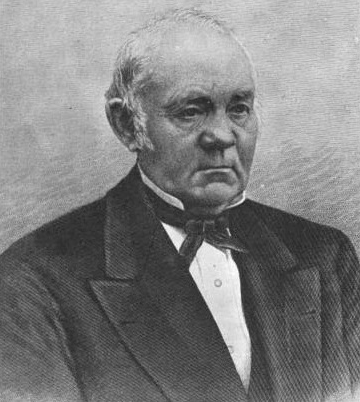
Abner Coburn
U.S.A.

Social Media

Personal Background
Abner Coburn's upbringing in Old Canaan, later known as Skowhegan, instilled a strong work ethic and discipline. He spent several years contributing to his family's farm, which likely provided foundational skills in agriculture and self-reliance. Coburn's political career began with his involvement in the Whig Party and later the Maine Republican Party, culminating in his election as Governor in 1863. His professional expertise includes significant roles in banking and railroads, serving as President of the Skowhegan Savings Bank and holding leadership positions with the Maine Central Railroad. Coburn also demonstrated leadership in education, chairing the Colby College Board of Trustees for over a decade.
Political Ideas
Abner Coburn's political identity is marked by an unusual blend of economic pragmatism and moral conservatism. His advocacy for leasing prisoners to contractors for manufacturing reveals a calculated approach to economic growth, while his Puritan upbringing and leadership roles in educational and religious institutions suggest a deeply rooted moral framework. Coburn's strategic land donation for a public park indicates a nuanced understanding of community development, balancing industrial interests with public welfare. His career trajectory from Whig to early Republican highlights an ideological agility that defies simple categorization.